
Dive into the pond...
SMEsShouldSystemiseBD%5D.webp)
Growing an SME built environment consultancy can feel like a game of luck dictated by the whim of the market.
Explore why perception can lag behind reality, the commercial risks this creates and how firms can build positioning that supports long-term growth.

When buyers don't fully understand why you're different, price becomes the easiest way to compare you with everyone else. Explore why this happens and how leadership teams can avoid it all together.
Get to know the difference between a reactive and systemised revenue engine, what each looks like in practice and how leadership teams can begin making the transition.
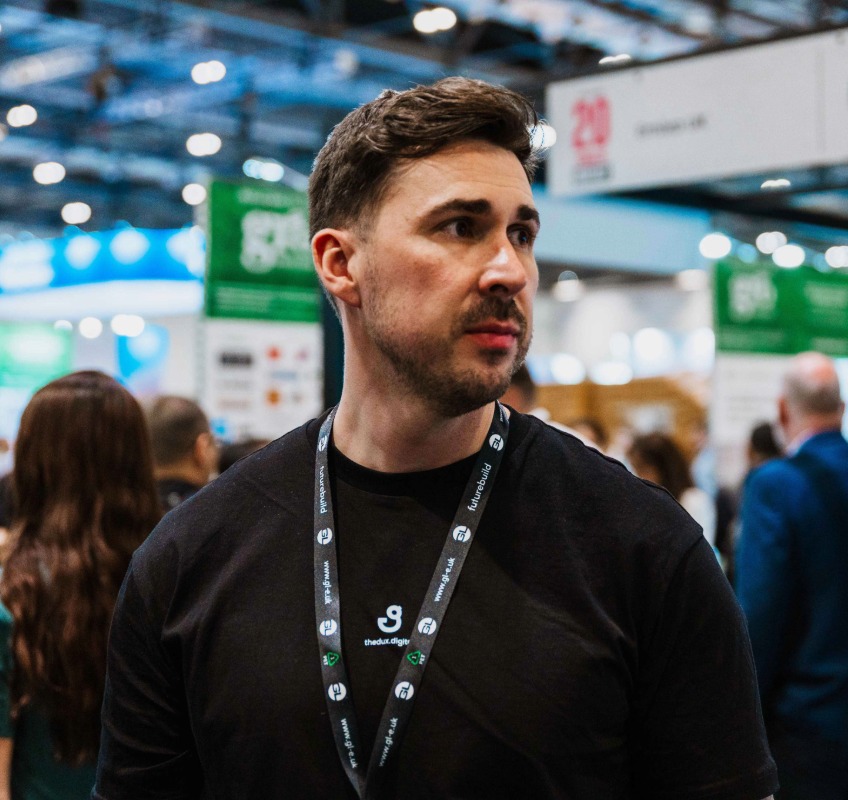
Explore why event attendance should be planned with the same rigour as project delivery and how to choose the right events for your business.

Explore the characteristics of traditional growth, why momentum can eventually become a constraint and why more leadership teams are starting to question whether their commercial systems are keeping pace with the rest of the business.
For leadership teams planning their next stage of growth, the key question isn't whether business development exists, it's whether it reflects the future of the business, or its past.
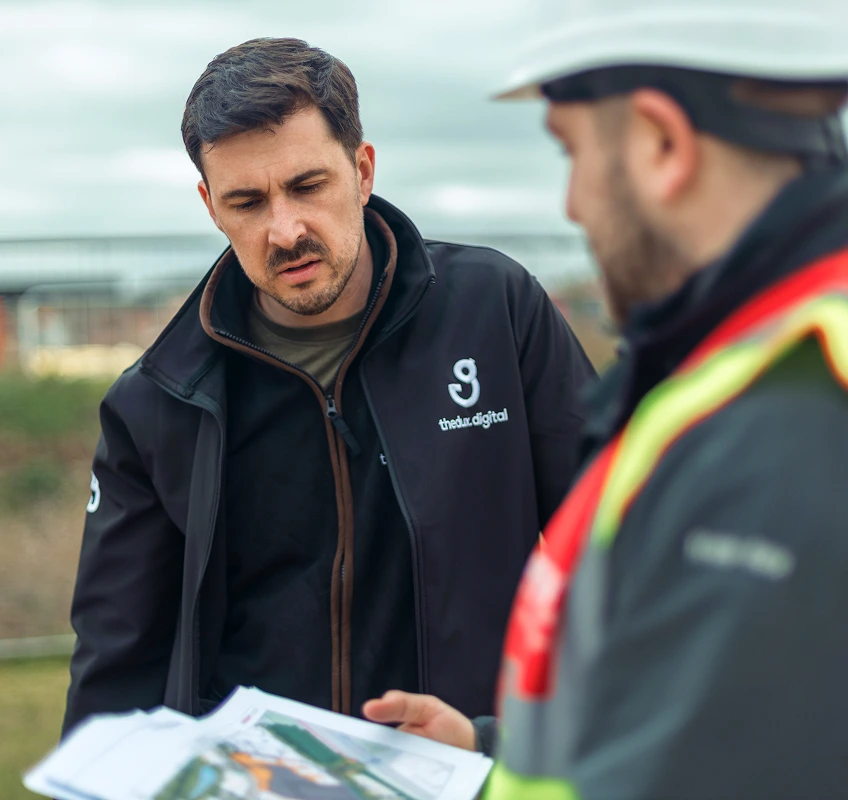
Explore the invisible constraints that often prevent built environment firms from scaling predictably and what leadership teams can do to overcome them.
Businesses don’t stand still and neither do markets, so the name is changing because the market has changed; because we’ve changed; and because the businesses we work with demand more than “digital” services.
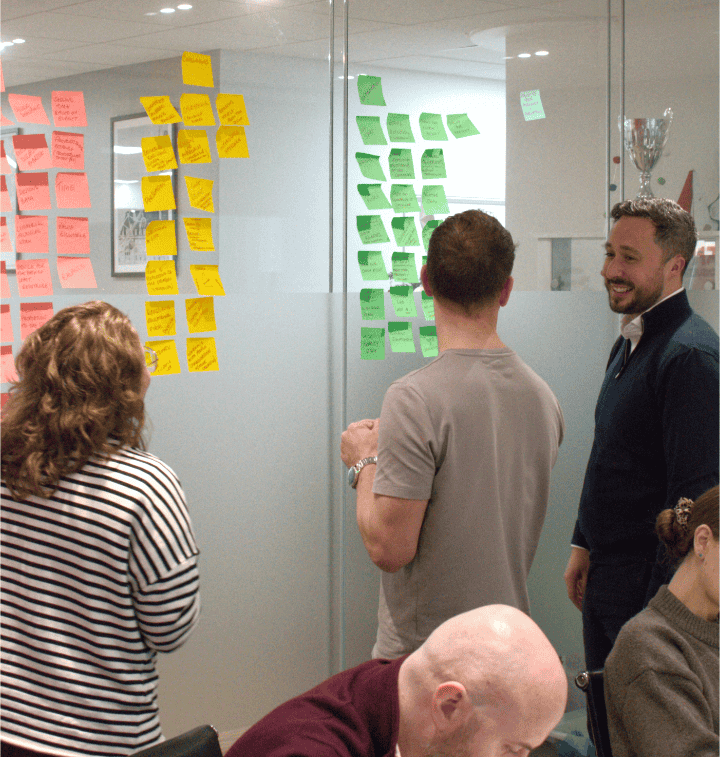
Most engineering firms don’t lack business development activity, they lack alignment. This article explores how to move from reactive growth to a deliberate business development strategy that supports growth, diversification, authority and long-term resilience.

If you're a business owner in the built environment sector, this approach might just be your secret weapon for attracting better quality work, building trust and scaling your revenue.
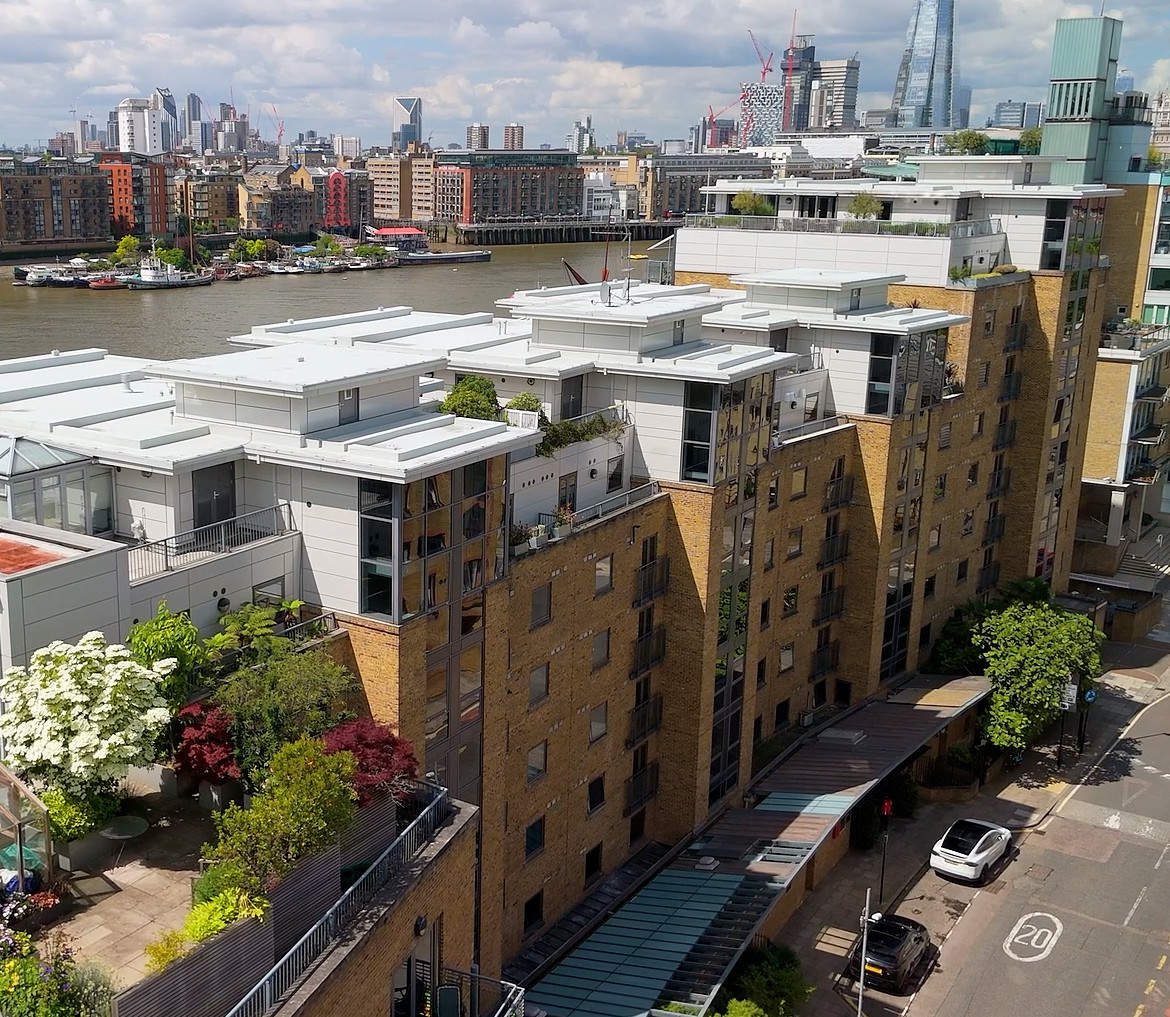
Sir Keir Starmer’s announcement yesterday presented an ambitious plan focused on clean energy, major infrastructure projects, housing and improved living standards.

Move beyond referrals and tenders and take control of your pipeline.

Focus on how AI tools (from chat to data analysis) reduce overwhelm and help leaders get to action quicker.
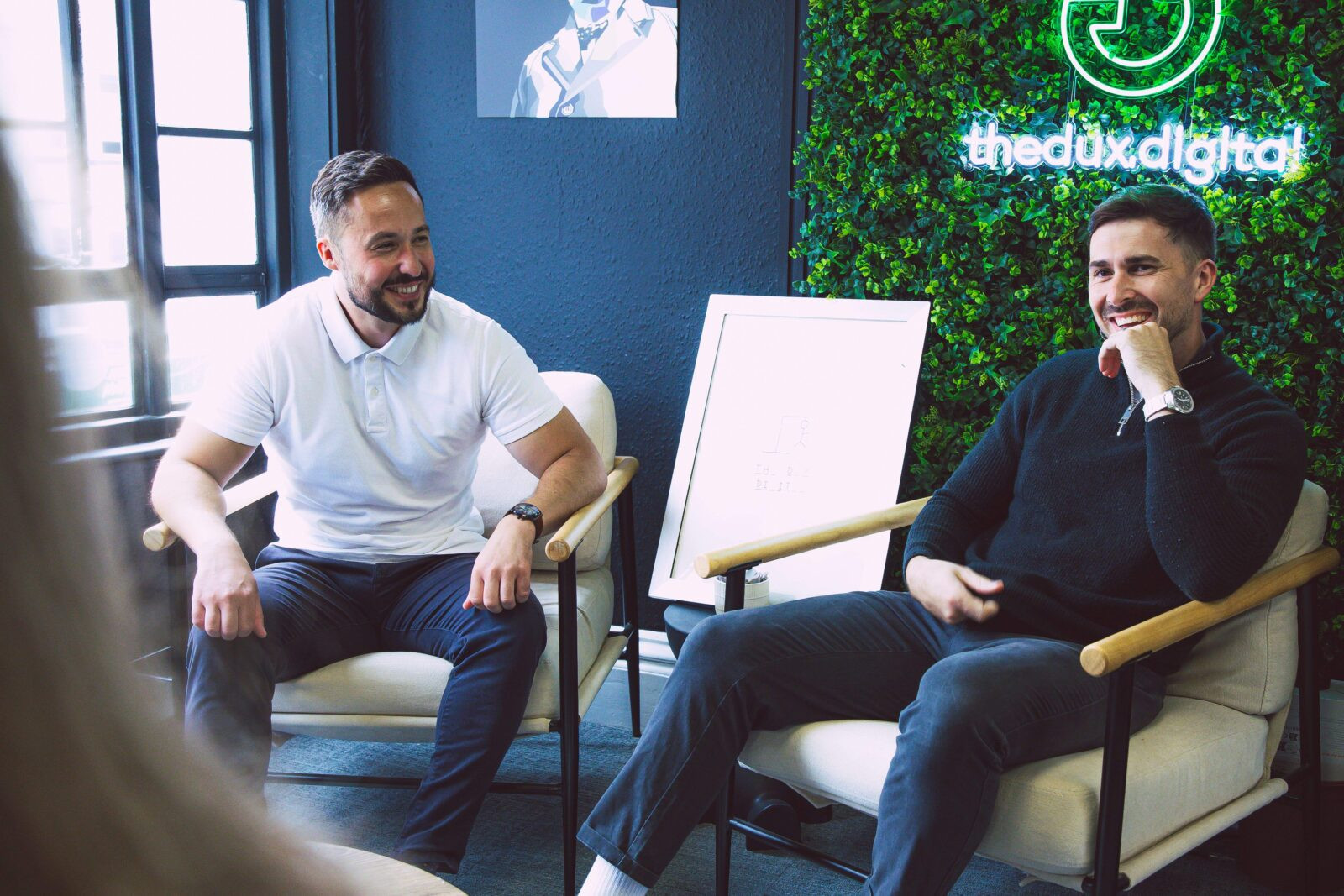
For businesses in the built environment, it can be the difference between having a supplier who simply ticks boxes and a partner who actively helps you grow.

Stop being the bad first date who only talks about themselves. Start being the one who listens, connects and shows real value.
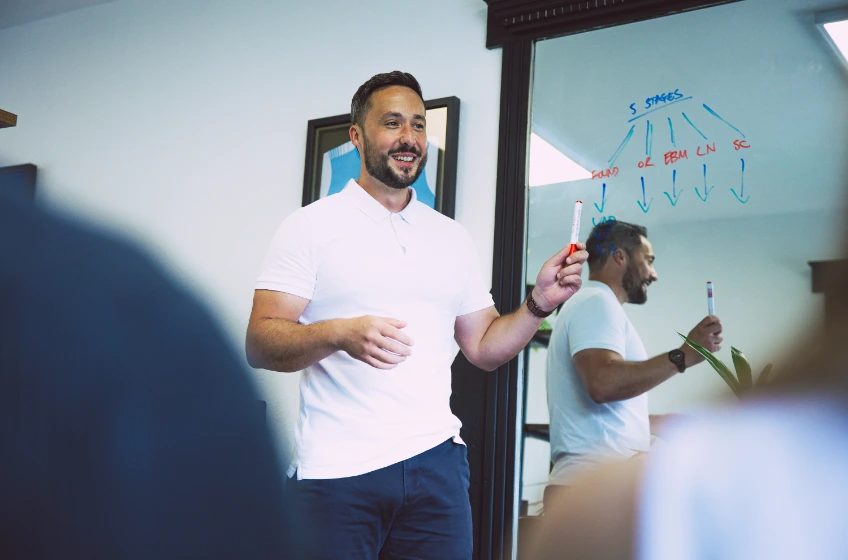
Why being busy isn’t a sign of success - it’s often a sign your systems aren’t working.
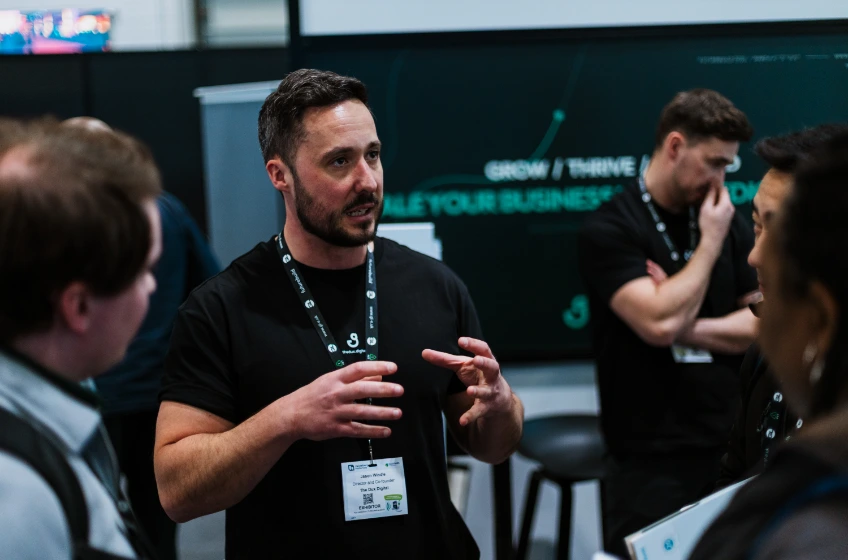
Every business is using digital tools. But are you really getting the most from them?
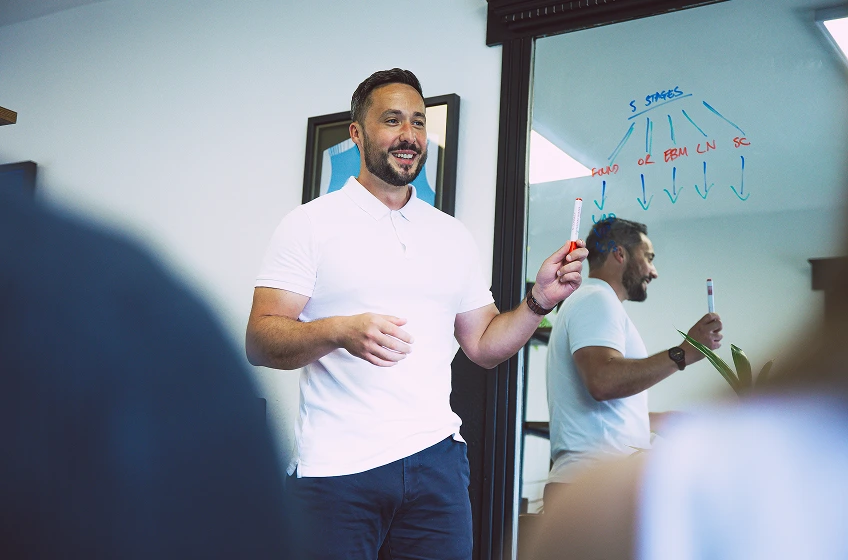
For many businesses in the built environment, “digital transformation” still sounds like a buzzw...
Stop guessing. Start growing.
Book your Discovery Call and let’s build your growth engine.


