

Are You Treating Event Attendance Like a Commercial Strategy... Or a Day Out?

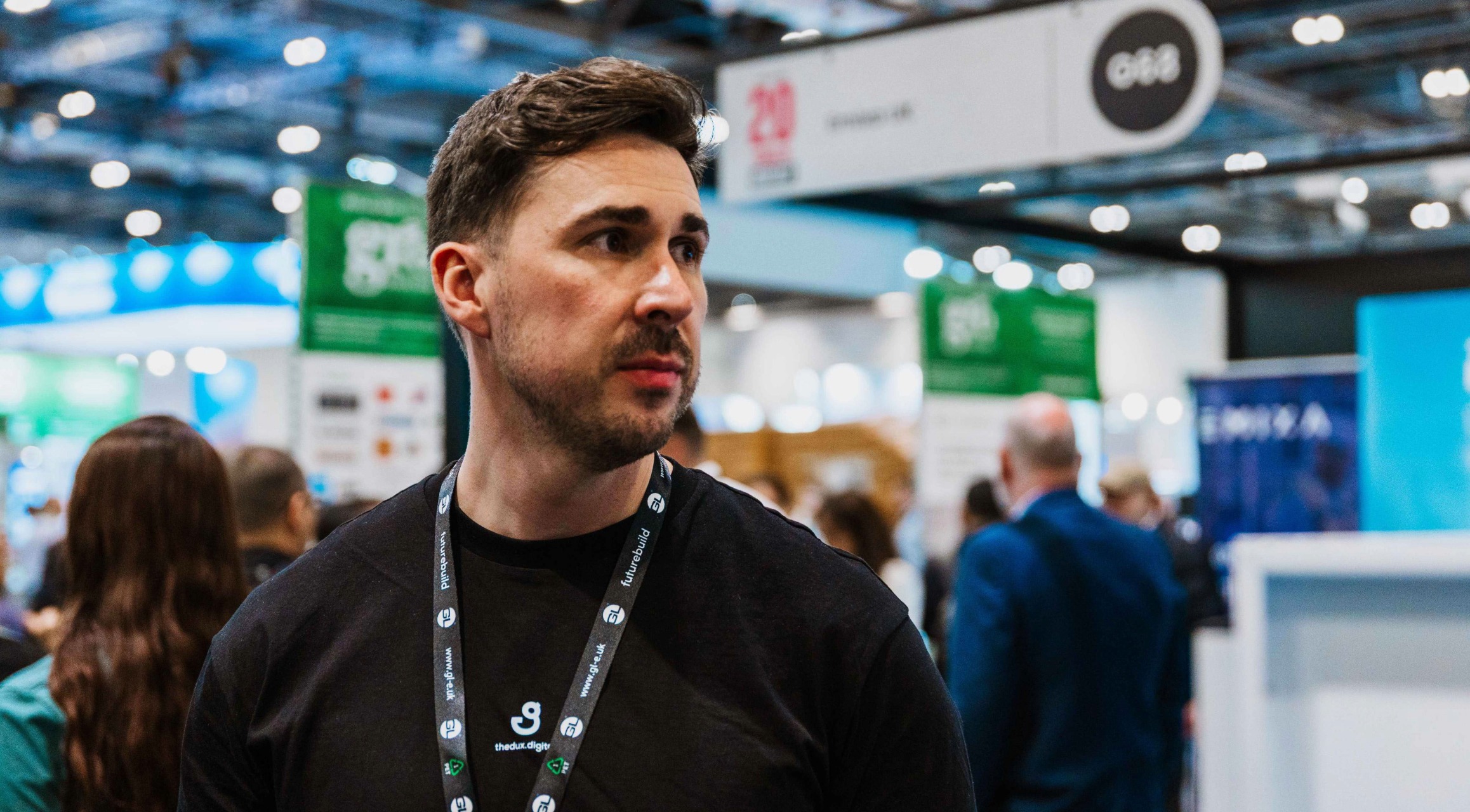
As a rule, built environment businesses don't leave project delivery to chance. Objectives are clearly defined before work begins, timelines are agreed, success measures are established and risks are identified. Teams know exactly what they're working towards and, once the project is complete, performance is reviewed so lessons can be carried forward. It's a structured process designed to achieve a specific outcome.
Yet when it comes to commercial activities such as industry events and networking, the same level of strategic thinking isn't always applied. Events are added to the calendar, teams attend, conversations happen and everyone leaves hoping the investment of time and money will generate worthwhile opportunities.
The challenge isn't that events don't work. It's that they're often treated as individual activities rather than part of a wider commercial system. Without clear objectives, a defined strategy and a structured follow-up process, it becomes difficult to measure their true value or consistently turn conversations into commercial momentum.
Events Should Be Part of Your Commercial Strategy
Attending every major industry exhibition doesn't automatically create opportunities and the businesses that consistently generate value from these events aren't necessarily attending more of them, they're attending with greater intention.
Before adding an event to the calendar, teams should be asking:
- Does this event attract our ideal clients?
- What commercial objective are we trying to achieve?
- How does this support our wider growth strategy?
- What would success look like at this event?
Without clear answers, it's almost impossible to judge whether the investment delivered a worthwhile return.
Six Ways to Get More Value From Every Event
1. Build your event calendar around your ideal clients.
Don't attend events simply because they're well known or because everyone else is exhibiting. Instead, identify where your ideal clients spend their time.
- Which conferences do they attend?
- Which breakfast briefings, roundtables or sector-specific events attract the decision-makers you want to build relationships with?
A smaller room full of the right people will almost always outperform a larger room full of the wrong ones.
2. Match each event to a commercial objective.
Every event should have a clearly defined purpose. Perhaps you're looking to strengthen relationships with existing clients, enter a new sector, or understand how buyers are thinking before refining your positioning. Different objectives require different approaches and if success isn't defined before the event, it can't be measured afterwards.
3. Think in buying cycles, not event days.
Very few projects are won during an exhibition. The built environment operates on long buying cycles so events should be viewed as touchpoints within much longer commercial relationships.
A conversation today might become a project six months or two years from now. The objective isn't to sell, it's to build familiarity, credibility and trust over time.
4. Treat events as market research.
One of the biggest returns from attending an event isn't always a new opportunity, sometimes it's a better understanding of your market.
- What challenges keep coming up?
- Which sectors feel busiest?
- What concerns are clients talking about?
- Which services are becoming increasingly valuable?
These conversations provide real-world market intelligence that should feed directly into your business strategy, positioning and future business development activity. Sometimes the biggest return isn't the conversation that wins work today, it's the insight that helps you win work in the future.
5. Plan what happens after the event before you arrive.
The event itself is only one part of the process, what happens afterwards is where relationships are strengthened.
You could:
- Connect on LinkedIn
- Send personalised follow-up emails
- Arrange coffee meetings
- Record conversations in your CRM
- Share useful content relevant to the discussions you've had
Without a structured follow-up process, many valuable conversations simply disappear.
6. Review every event like you would a completed project.
Once the event is over, take time to review it.
- Did you meet the right people?
- Did you achieve your objectives?
- Which conversations created the most value?
- What would you do differently next time?
The best event strategies improve continuously because every event informs the next.
Commercial Growth Doesn't Happen By Chance
The mistake many firms make is measuring events as individual activities when instead they should be building an event strategy that supports their wider commercial system, using every event to strengthen relationships, gather market insight, reinforce positioning and create momentum that compounds over time.
Face-to-face conversations should always be authentic and relationships should always develop naturally, but authentic doesn't have to mean unplanned. Commercial growth rarely comes from one conversation, it comes from consistently showing up in the right places, with the right people, for the right reasons.


SMEsShouldSystemiseBD%5D.webp)
Growing an SME built environment consultancy can feel like a game of luck dictated by the whim of the market.
Explore why perception can lag behind reality, the commercial risks this creates and how firms can build positioning that supports long-term growth.
Stop guessing. Start growing.
Book your Growth Assessment and let’s build your growth engine.


